


Erased and Rewritten

I learned that my father died from a Facebook notification.
Not a phone call. Not someone sitting beside me. A notification.
One message on a screen, and my life split into before and after.
I thought this was the end of it. I truly did. But it was just the beginning, the beginning of a long fight to believe that I deserve to exist.
Three weeks after my father’s death, my half-siblings forced my mother and me out of our home. Grief had not even had time to settle. I was still in shock, still trying to understand how the world kept moving when someone so important to me suddenly disappeared.
But while we were grieving, they were already planning.
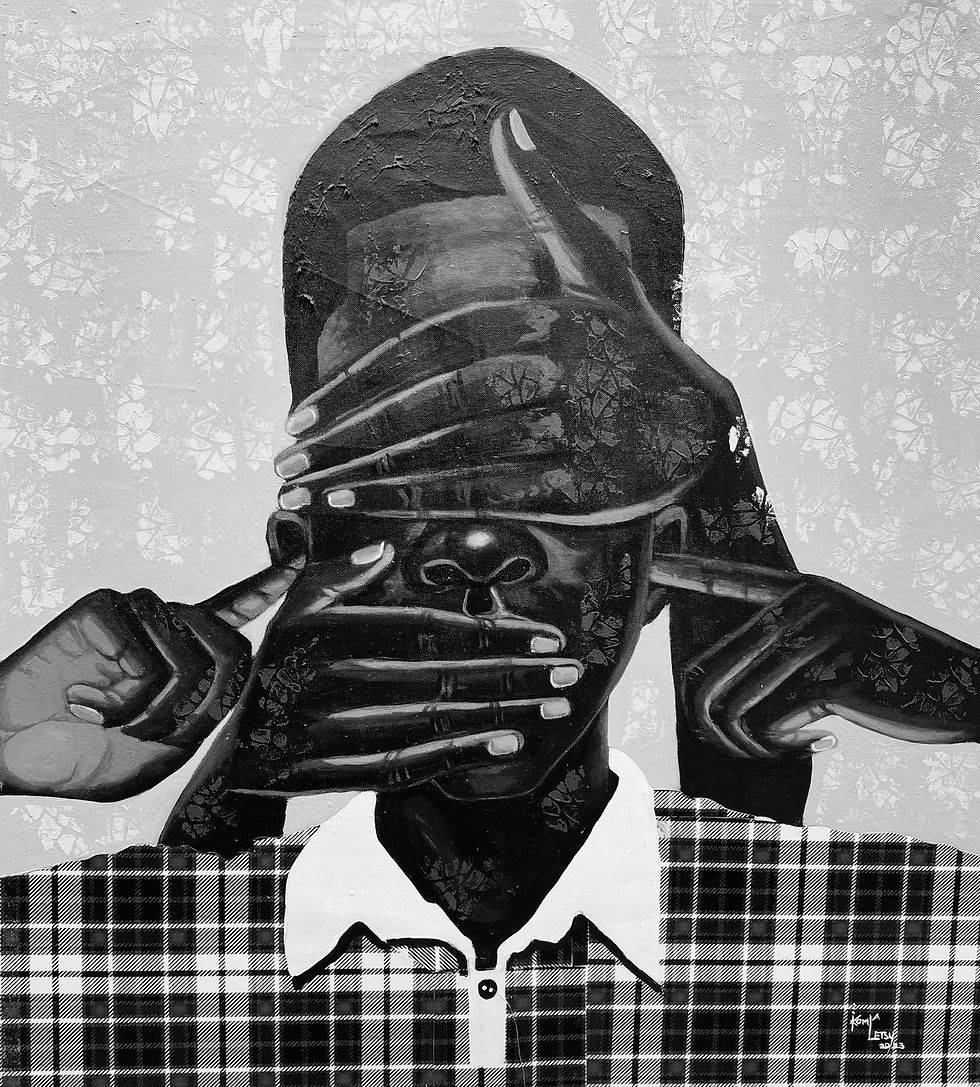
They tried to erase my existence by removing my name from official documents. For me, it didn’t feel like they were just trying to delete my name from a piece of paper. It felt like they were saying:
“You don’t matter. You were never here. You don’t exist.”
I became homeless. And for a time, I started to believe them.
And so began my conquest of finding proof that I exist.
Every exam paper with my name on it, especially with an A* attached, felt like evidence of my worth. Every certificate, every medal, and every competition became a way to say to them and to me:
“Look, I am real.”
I pushed myself harder than ever before. I overworked in school, built projects, and joined every competition I could. I was collecting achievements like oxygen because I believed that if I stopped, if I stopped finding and building the proof, I would simply disappear.
Because if my name was written somewhere, then I was real. I existed.
This attitude toward life and myself, as toxic as it may have been, helped me graduate from Sohag STEM School. And my Egyptian people know that this is no small feat. Alhamdulillah.
It also helped me get accepted into ALA, my dream school.
From the outside, I looked successful, impressive, and just shining. But inside, I was terrified, because my existence felt like it was hanging by a single thread, ready to snap if I ever failed.
And when I was going through it, truly going through it, my half-siblings struck again.
They opened another legal case. At first, they wanted my home; now they wanted everything my father had left for me, my inheritance. They tried to erase me as my father’s child.
Suddenly, my life collapsed again.
The constant pressure, fear, and uncertainty consumed me, and just like that, my grades began to drop. But it wasn’t just my academics that were at stake. I felt like I was the one under threat.
And this wasn’t just fear of failure. It was something deeper, a feeling that maybe I didn’t deserve to live, to breathe, to eat, to be happy, or even to be seen.
Because of the court cases over my inheritance and my rights, I had to take a gap year, a risky pause, since there was a real chance I might never return to ALA and could lose everything I had worked so hard for.
During that year, I supported my mother through the legal process and worked to prove my rights as a child whose father had passed away.
At the same time, I began volunteering at a small orphanage in Asharqia, where I grew up.
There, I taught children, who felt as invisible as I once did, how to play the cajón. We didn’t talk about trauma or loss; we simply played music together. And as they played, something magical happened. They became happier, more confident, discovered their talents, and realized they could take up space in the world through sound.
They realized that they mattered.
Their joy led me to work on my project, Computer Double Face. It was designed to help people with disabilities communicate and work independently. I built three prototypes over five years. They are not perfect, but they try.
I built them because I know what it feels like when the world treats you like you don’t matter. I wanted those people to feel like full human beings who don’t need permission to exist as they are.
Everyone deserves tools that help them feel seen and heard.
After a year of fighting and reconnecting with parts of myself I thought were lost, I returned to ALA.
The time I spent with people back home planted the seeds, but this is where my real healing began.
For the first time, I felt that I truly existed, not on paper, not in court, and not in records, but in sound, in presence, and in joy.
I forgot the legal battles, the documents, and the fights. I was no longer a case, a problem, or a name to defend. I was simply human.
I stopped asking myself, “What can I achieve to prove that I matter?” and began asking a different question:
“What does it mean to exist without proof?”
I allowed myself to rest without guilt or shame and admitted that I was tired. I learned to ask for help and stopped pretending to be strong all the time.
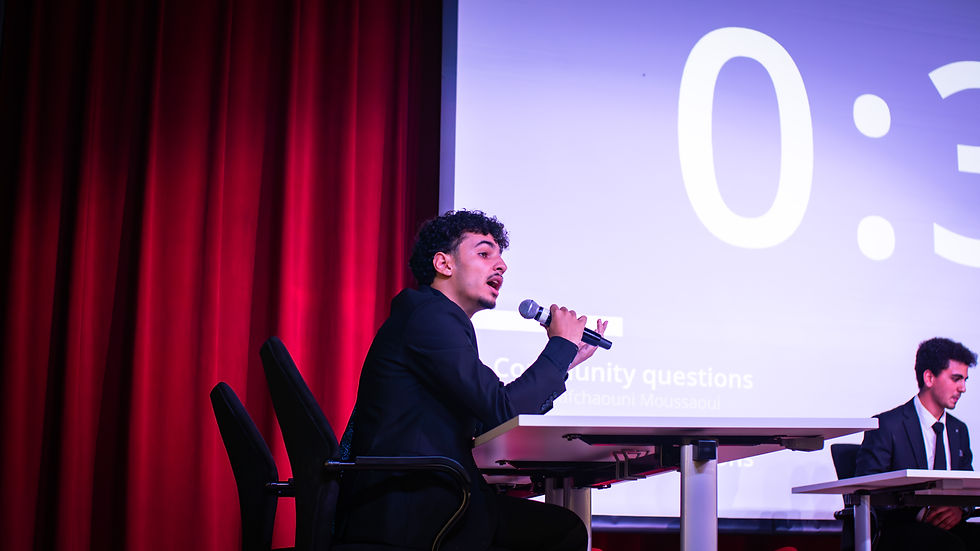
Speaking up became one of the bravest things I have ever done. And I discovered that when I did, people saw me—they cared.
I also helped others who felt invisible, and every time they smiled, I healed a little more too.
But most importantly, I changed where my sense of worth came from. It no longer depended on grades or achievements, but on my values, my morals, my kindness, my humility, and my faith.
Things no one can take away.
I accepted that bad grades do not mean I am a failure. I am still here. I am still worthy. They are simply moments of growth.
I no longer study to prove that I matter. I study because I want to learn.
External validation should never be proof that you deserve to exist.
So if you’ve been living like you need evidence to take up space, let this be your reminder: stop auditioning for your own existence.
You are not a name on paper.
You are not a record to defend.
You deserve to exist simply because you exist.

Comments